SCF Phase: Pathogenesis Reconstruction Biological Analog: Biomarker Residue Analysis SCF Interpretation: Traces of prior pathological events


SCF CONCEPTUAL TRANSLATION DOSSIER
Artifact Recovery → Biomarker Residue Analysis
Traces of Prior Pathological Events within Pathogenesis Reconstruction
With Full SCF Cognitive Behavioral Neuroscience (SCF-CBN) Implementation
Document Code: SCF-MDR-DBI-ARTIFACT-0042**
Clinical Context: SCF Advanced Medicine Clinic (Pathogenesis Reconstruction & Residual Signature Layer)
Regulatory Posture: Retrospective Biomarker Reconstruction / Etiopathogenic Residue Mapping
Framework: Synergistic Compatibility Framework (SCF)
I. Original Ethical Hacking Intent (Baseline)
Definition & Purpose
Artifact recovery in digital forensics extracts residual traces left behind by malicious activity, including:
- Log fragments
- Deleted files
- Registry remnants
- Memory artifacts
- Hidden configuration entries
These artifacts persist even after attempted cleanup and allow investigators to reconstruct prior compromise.
Artifact Recovery Feature | Security Function |
Residual log extraction | Evidence of past activity |
Deleted file restoration | Hidden historical trace |
Registry remnant analysis | Persistence indicators |
Configuration artifact mapping | Attack footprint |
Correlation with timeline | Event reconstruction |
Core insight:
Even after apparent recovery, residual traces encode historical compromise.
II. SCF Translation Logic
Digital Artifact → Biological Residual Marker
In SCF biology, prior pathological events leave residual traces:
- Fibrotic scar tissue
- Epigenetic methylation marks
- Persistent antibody titers
- Chronic low-grade cytokine elevation
- Mitochondrial dysfunction remnants
- Autonomic rigidity patterns
These are biological artifacts of past disease states.
Cyber Concept | SCF Biological Analog |
Deleted file remnant | Epigenetic scar |
Log fragment | Residual cytokine signature |
Registry artifact | Chronic gene-expression shift |
Hidden configuration | Latent immune skew |
Attack footprint | Tissue remodeling residue |
III. Biological Re-Engineering Concept
“Physiological Artifact Recovery” — Residue Mapping Engine
Functional Definition
A DBI-driven biomarker residue analysis layer that:
- Detects persistent molecular traces of prior disease
- Identifies incomplete resolution signatures
- Differentiates active pathology from residual imprint
- Maps tissue-level and epigenetic scarring
- Outputs a Residual Pathology Burden Score
This reframes recovery as:
Not absence of symptoms, but absence of pathological residue.
IV. SCF-Aligned Residual Architecture

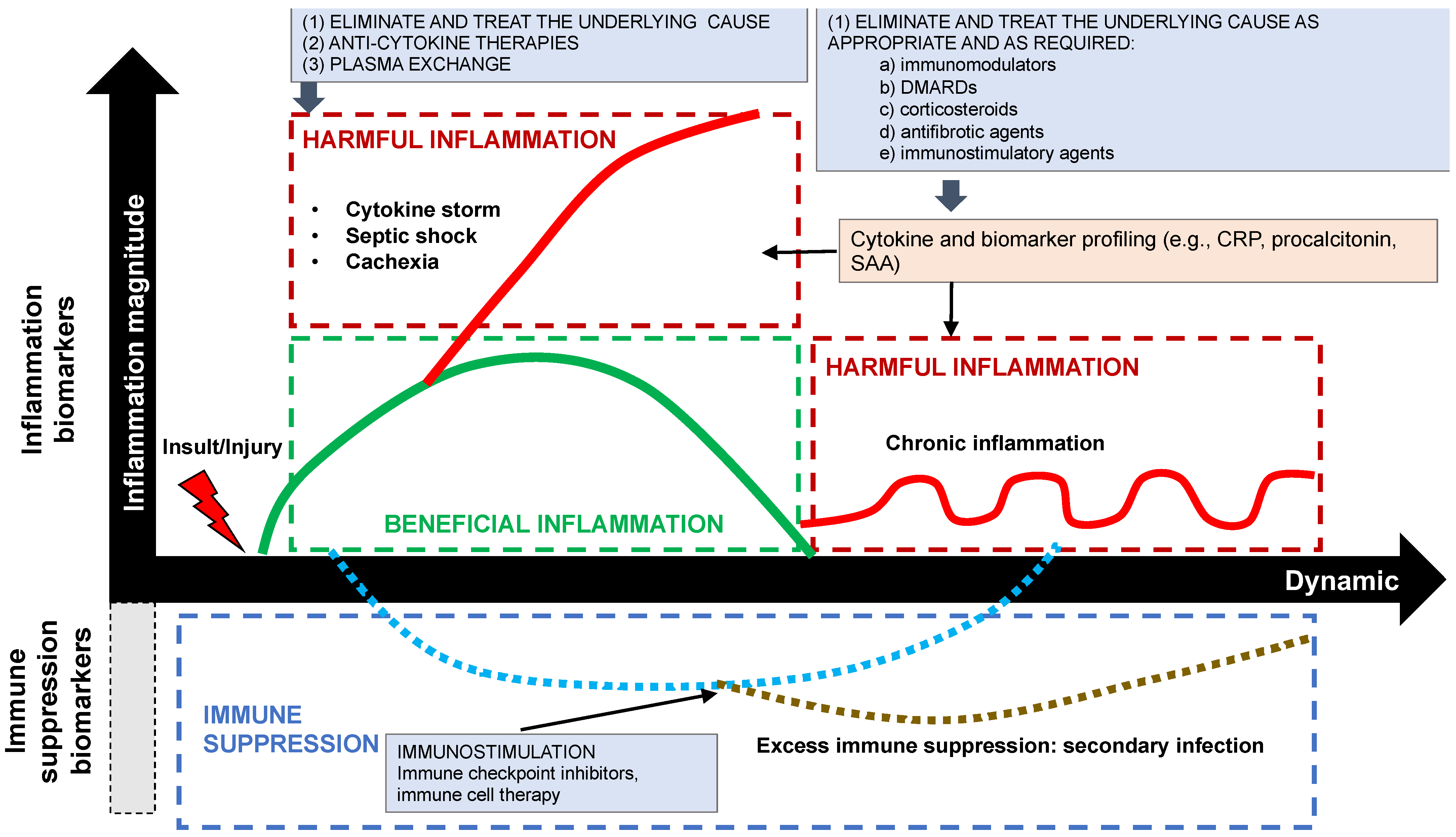


A. Artifact Recovery Flow → Residual Pathogenesis Cascade
Artifact Stage | SCF Equivalent |
Identify remnant | Detect persistent biomarker |
Validate artifact | Confirm non-transient signal |
Correlate with timeline | Align with disease history |
Map impact | Assess tissue/immune consequence |
Risk classification | Predict relapse potential |
V. SCF Biomarker Residue Panels
Residual Layer | Forensic Output |
Epigenetic | Methylation scar density |
Immunologic | Persistent antibody titers |
Inflammatory | Baseline IL-6 elevation |
Metabolic | Mitochondrial inefficiency |
Structural | Fibrosis burden index |
Autonomic | HRV rigidity profile |
Produces a Residual Pathology Index (RPI).
VI. Implementation within SCF Cognitive Behavioral Neuroscience (SCF-CBN)
Artifact recovery in SCF-CBN identifies:
Residual cognitive–neuroimmune imprints persisting after apparent psychological recovery.
A. SCF-CBN Residual Imprint Model
Examples:
- Trauma resolved cognitively but amygdala hyperreactivity persists
- Addiction abstinence achieved but dopamine cue sensitivity remains
- Stress reduced behaviorally but cortisol flattening continues
- Autoimmune flare resolved but inflammatory baseline remains elevated
B. SCF-CBN Residual Detection Workflow
- Behavioral recovery assessment
- Autonomic baseline analysis
- Cortisol slope validation
- Inflammatory baseline measurement
- Epigenetic stress marker profiling
- Reinforcement loop scan
C. SCF-CBN Biomarker Integration
Domain | Residual Indicator |
HPA Axis | Blunted cortisol rhythm |
Limbic System | Persistent hyperactivation |
Autonomic | Reduced HRV variability |
Inflammation | Low-grade cytokine elevation |
Epigenetic | Stress-promoter hypermethylation |
VII. Integration Across SCF Advanced Medicine Clinic
1. Regenerative Immunology
- Detects unresolved inflammatory residue
- Prevents relapse by clearing residual cytokine drift
- Restores immune homeostatic baseline
2. SCF Gene Evolution & Engineering
- Identifies epigenetic scars affecting gene expression
- Stabilizes regulatory regions prior to editing
- Avoids intervention on unstable genomic terrain
3. SCF Trauma & Emergency Medicine
- Identifies post-injury autonomic rigidity
- Prevents chronic scar embedding
- Stabilizes recovery trajectory
4. Maternal–Infant Medicine
- Detects transgenerational epigenetic residue
- Prevents propagation of stress scars
- Supports developmental re-stabilization
VIII. Alignment with Thai Chung Medicine Clinical Systems
Thai Chung Medicine recognizes:
- Residual pathogenic factor (余邪)
- Incomplete clearing after acute illness
- Latent weakness in system foundation
Artifact recovery aligns through:
- Identifying hidden residue after symptom resolution
- Clearing root-level remnants
- Restoring sovereign balance before strengthening
IX. Novelty & Differentiation
Conventional Recovery Model | SCF Residue Mapping |
Symptom resolution = cure | Biomarker normalization required |
No active disease detected | Residual imprint evaluation |
Short-term follow-up | Longitudinal residue tracking |
Organ-focused healing | Multi-omic residue clearance |
X. Summary
Artifact recovery extracts hidden remnants of past compromise.
Within SCF, it becomes:
Biomarker Residue Detection →
Epigenetic Scar Mapping →
Neuroimmune Imprint Identification →
Complete Pathogenesis Clearance
Integrated within SCF Cognitive Behavioral Neuroscience, artifact recovery ensures that cognitive and emotional healing is verified biologically, preventing relapse driven by residual neuroimmune imprints.
MASTER DOCUMENT REGISTRY INDEX
SCF-MDR-DBI-ARTIFACT-0042